How the ghost stories of pagan times reveal the seamless union existing between the world of the living and the afterlife Demonstrates how Medieval Christianity transformed the more corporeal ghost encountered in pagan cultures with the disembodied form known today Explains how the returning dead were once viewed as either troublemakers or guarantors of the social order The impermeable border the modern world sees existing between the world of the living and the afterlife was not visible to our ancestors. The dead could--and did--cross back and forth at will. The pagan mind had no fear of death, but some of the dead were definitely to be dreaded: those who failed to go peacefully into the afterlife but remained on this side in order to right a wrong that had befallen them personally or to ensure that the law promoted by the ancestors was being respected.Paperback
Get notified by email when this product is in stock.
How the ghost stories of pagan times reveal the seamless union existing between the world of the living and the afterlife Demonstrates how Medieval Christianity transformed the more corporeal ghost encountered in pagan cultures with the disembodied form known today Explains how the returning dead were once viewed as either troublemakers or guarantors of the social order The impermeable border the modern world sees existing between the world of the living and the afterlife was not visible to our ancestors. The dead could--and did--cross back and forth at will. The pagan mind had no fear of death, but some of the dead were definitely to be dreaded: those who failed to go peacefully into the afterlife but remained on this side in order to right a wrong that had befallen them personally or to ensure that the law promoted by the ancestors was being respected.Paperback
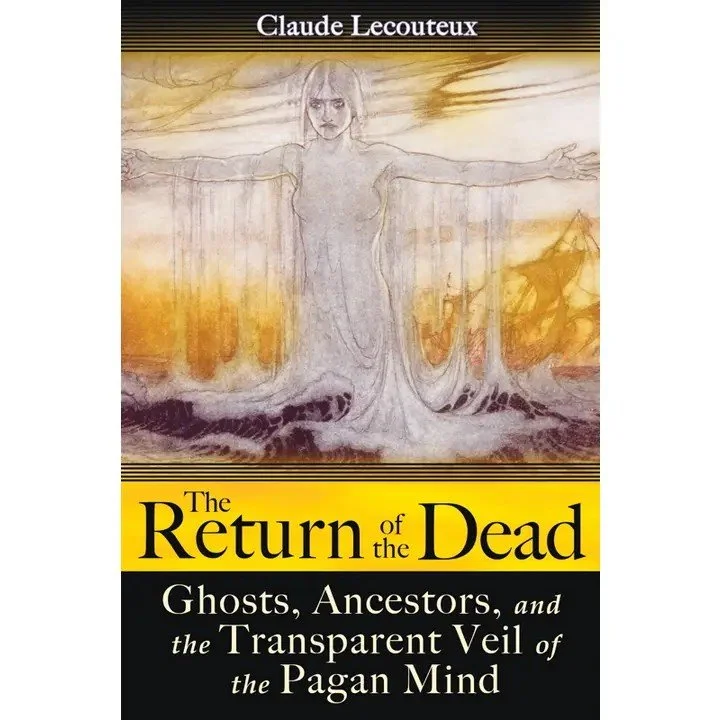 Image 1 of 1